
You have found a niche and built a website. Now you need people to visit it. Getting traffic is where the rubber meets the road in affiliate marketing, and it can be one of the more challenging aspects of building an online business. But the fundamentals are well understood. Let me break down the four main types of traffic and show you how to get each one.
The Four Types of Website Traffic
There are four basic ways people end up on your website: paid traffic, organic search traffic, social media traffic, and direct referral traffic. Each has its strengths and its place in a well-rounded traffic strategy.
Paid Traffic
Paid traffic means buying ads and getting clicks. The trick is spending less on ads than you earn in commissions. I will be honest with you: I am not great at paid traffic. If you want to learn how to profitably run ads, there are specialists who can teach you that. My strength is free traffic, which is what we will focus on here.
Organic Search Traffic
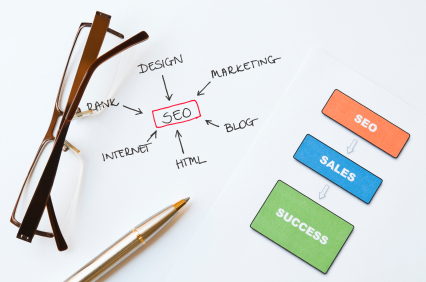
Organic traffic is the free traffic you earn from ranking in search engines. Someone types a query into Google, your page appears in the results, they click through and land on your site. This is the backbone of most successful affiliate marketing businesses because it is free, it is targeted, and it scales well over time.
Getting organic traffic requires three things working together:
Keyword research. You need to target search phrases that you can realistically rank for and that have enough search volume to be worth the effort. Go too competitive and you will never reach page one. Go too obscure and you will rank for something nobody searches for. I once ranked a page for “collectible Elvis Presley neckties” just to prove a point. Nobody was searching for that.
On-page optimization. Google needs to understand what your page is about. That means optimizing your title tags, header tags, body content, image alt text, and URL structure around your target keyword. Install a solid SEO plugin like Yoast or Rank Math and follow its recommendations for each piece of content you publish.
Building authority. Google uses signals from around the web to determine how important your page is relative to other pages about the same topic. The most significant signal has historically been backlinks — other websites linking to yours. A link from a trusted, authoritative site is like a vote of confidence. The more quality votes you accumulate, the higher you rank.
Think of it this way: if CNN mentions your site, Google figures you must be important. If only your cousin's WordPress blog mentions you, that is less convincing. Both help, but authority matters.
Social Media Traffic
Social media traffic comes from posting valuable content on social platforms and engaging your community. The key word there is “valuable.” Nobody clicks through from social media to read generic content they could find anywhere. You need to give people a reason to visit your site.
Here is my practical advice on social media for affiliate marketers:
- Facebook. Create a page for your brand. Post helpful, engaging content regularly. Respond to every comment. Facebook is where people feel safe exploring recommendations from friends, so social proof is incredibly powerful here.
- YouTube. If your niche has any visual component, YouTube should be part of your strategy. Video content has exploded in importance for SEO and audience building. Product reviews, tutorials, and how-to videos perform especially well.
- Other platforms. Consider where your specific audience hangs out. A craft niche might do well on Pinterest. A professional services niche might thrive on LinkedIn. A younger demographic might be on TikTok. Do not spread yourself across every platform. Pick two or three that make sense for your audience and go deep.
The universal social media strategy is the same as the strategy for your business in general: deliver genuine value. Post content that helps people. Engage in real conversations. Build relationships. The platforms are just distribution channels for your value.
Direct Referral Traffic
Direct referral traffic comes from leaving your link in strategic places around the web. Forum signatures, blog comments, email signatures, guest posts, and even offline methods like business cards. The key is to actually participate in conversations and add value wherever you leave your link.
Find forums in your niche using forum directories. Watch blogs in your space and leave thoughtful comments early on new posts — first comments on popular blogs can drive surprising amounts of traffic. Just make sure you are genuinely contributing to the conversation, not spamming your link everywhere.
Putting It All Together
The most resilient traffic strategy uses all four types in some combination. Organic search is your foundation because it is free and sustainable. Social media amplifies your content and builds your brand. Direct referrals build relationships and create backlinks. And if you get good at paid traffic, it can accelerate everything else.
The mistake I see most often is over-reliance on a single traffic source. If 90 percent of your traffic comes from Google and an algorithm update hits, your business is in serious trouble. Diversify from the beginning and you will sleep a lot better.
Start with one traffic source and master it before adding another. For most affiliate marketers, that means starting with organic search — keyword research, on-page optimization, and authority building. Once that foundation is solid, layer on social media and direct referrals. The traffic will come if you are consistent, patient, and genuinely helpful.


Great article Mark I was just learning about the business on the internet and I now am learning about how to get visitors from this site.
Thank You,
Rizal
It’s very hard to generate organic traffic without paying
Well, if you are paying, then it’s not organic traffic (or do you mean paying for SEO services?)
Great info Mark. Thanks so much. I find it difficult to generate traffic myself.
I get traffic from this site because it offers lifetime traffic.
I Really love the way you explained about Organic Traffic, It wins all the time, even it takes some more work in advance. Thanks for sharing and here I found great free training to drive organic traffic to the blog, It explains How to drive targeted traffic and strategies to drive organic traffic. I thought it would help others too sharing here http://training.webfire.com/freetraining
Mark,
When starting out, do you recommend building a “static” site that features one marquee product like corn shellers or a “dynamic” site featuring a blog with regularly updated content/articles on a more diverse set of products. I’m finding building out a dynamic site to be daunting after the 4-5 month period. It’s challenging to find new content.